
Share this product
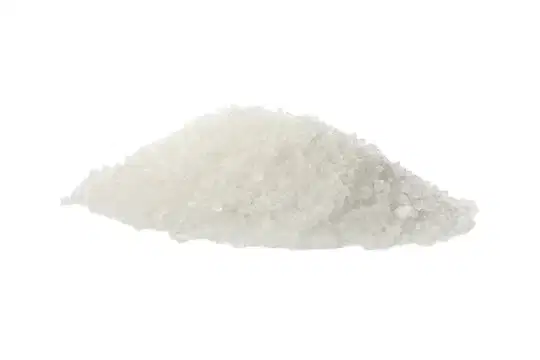
Ammonium Sulphate - Taiwan
- Origin
- Taiwan
- CAS Number
- 7783-20-2
- HS Code
- 3102.21.00
Basic Info
- IUPAC Name
- molecular hydrogen
- Molecular Formula
- H2
- Molecular Weight (g/mol)
- 2.0160
- InChIKey
- UFHFLCQGNIYNRP-UHFFFAOYSA-N
- InChI
- InChI=1S/H2/h1H
- Synonyms & Trade Names
- Hydrogen; Molecular hydrogen; 1333-74-0; Dihydrogen; hydrogen-1; DTXSID9029643; 7YNJ3PO35Z; CHEBI:18276; Hydrogen atoms; RefChem:389053; DTXCID00196437; 215-605-7; H; Protium; Atomic hydrogen; Hydrogen gas; H2; Hydrogen in Steel, 1g/piece; 1-Butanol, titanium(4+) salt, monohydrate, homopolymer (9CI); Hydrogen, atomic
Categories
Technical Document
Brief Overview
Ammonium sulfate, denoted by the chemical formula (NH4)2SO4, is an inorganic salt with various industrial applications. However, careful handling is recommended due to potential hazards to human health. Its primary function lies in agriculture, where it serves as a fertilizer containing 21% nitrogen and 24% sulfur. In its natural form, ammonium sulfate appears as the mineral mascagnite, a relatively scarce substance found in volcanic fumaroles and coal fire dumps.
Manufacturing Process
Ammonium sulfate is manufactured by a method that entails the reaction of ammonia with sulfuric acid, as illustrated by the chemical equation:
2NH3 + H2SO4 → (NH4)2SO4
Alternatively, another approach to producing ammonium sulfate includes adding gypsum salt to a solution of ammonium carbonate. This chemical reaction leads to the generation of calcium carbonate and ammonium sulfate as end products. The calcium carbonate forms a precipitate, separating from the mixture and leaving a solution containing ammonium sulfate.